
Discover the Excitement of Hotpot at Hawkplay Online Casino
Explore the thrilling world of Hotpot, a unique and exciting game available at Hawkplay Online Casino.


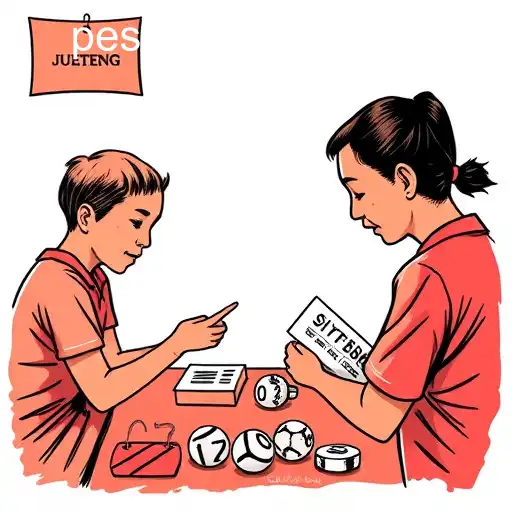
Jueteng is a popular illegal numbers game in the Philippines, similar to lottery, that has been a part of Filipino culture for decades. Despite numerous government efforts to eradicate it, jueteng continues to thrive, deeply embedded in the socio-economic fabric of many communities across the archipelago.
Tracing back to its roots, jueteng likely originated during the Spanish colonial period. The game involves betting on a combination of numbers, usually two, which are drawn at random. The widespread presence of jueteng in the daily lives of Filipinos can be attributed to its simplicity and the potential for relatively large payouts from small bets, making it an attractive option for low-income individuals seeking financial relief.
Jueteng is typically organized by coordinators known as "cobradores," who collect bets from participants. These bets are then passed onto the "cabos" or "cabecillas," who oversee the game's operation in an area. The winning numbers are drawn using rudimentary methods, often with as little transparency as possible to maintain control over the results. The results are disseminated to bettors through designated channels, feeding into the allure of secrecy and exclusivity surrounding jueteng.
Jueteng's continued popularity can be linked to its cultural entrenchment and the socio-economic conditions of many Filipinos. For some, it provides an informal social network and a sense of community as participants gather to place their bets and share their hopes. However, this deeply rooted game poses several ethical and social challenges, including the potential for corruption and its hindrance to government lottery revenues intended for public welfare projects.
Efforts to outlaw jueteng have been met with varying degrees of success. While the Philippine government has instituted legal measures to curb illegal gambling, enforcement remains inconsistent. Local law enforcement agencies and judicial systems are often plagued by corruption, and officials may be complicit in receiving kickbacks from jueteng operators, further perpetuating the cycle.
In recent years, digital advancements have changed the gambling landscape. Platforms such as "Hawkplay Online Casino" offer regulated, accessible gambling options that provide transparency and security. These online casinos are subject to strict licensing requirements and digital oversight, promoting fair play and discouraging illicit activities. Moreover, these platforms contribute to the economy through taxation, providing a controlled environment for gambling enthusiasts.
The emergence of online casinos like Hawkplay poses both competition and opportunity for traditional jueteng. As more Filipinos gain access to the internet, the shift towards regulated online gambling offers a safer alternative to jueteng. However, the accessibility and familiarity of jueteng still prevail, especially in rural areas where technology penetration remains limited.
Addressing the future of jueteng involves a multi-faceted approach that includes stringent law enforcement, community engagement, and economic reforms. Incentivizing legal gambling through platforms like Hawkplay, coupled with raising awareness about the dangers of illegal gambling, may gradually shift perceptions and practices.
To effectively address illegal gambling practices, it is crucial for policy makers, local leaders, and community members to work together towards sustainable change—the ultimate goal being the redirection of jueteng's social and financial impact towards constructive societal growth. In this context, modernization and regulation, as seen with online platforms, offer a blueprint for a fair and transparent gambling culture.
If you're looking for a reliable, fully licensed, and secure sportsbook with a wide selection of games, Hawkplay Online Casino is the perfect choice. We're committed to providing you with the best online betting experience, with premium quality, excellent service, and continuous innovation. Sign up now and receive ₱777 for free!
Join now
Get the latest information, experience and betting strategies from the expert team at Hawkplay Online Casino.
Explore the thrilling world of Hotpot, a unique and exciting game available at Hawkplay Online Casino.

Dive into the world of Hockey, exploring its origins, rules, and its intriguing link to Hawkplay Online Casino.

Discover the exhilarating world of DragonsGrace, a captivating new game at Hawkplay Online Casino, complete with its unique features and immersive gameplay.

Delve into the captivating universe of OrientalBeauty, a thrilling game available at Hawkplay Online Casino. Discover its unique features, engaging rules, and its place in the current gaming industry.

Discover the thrilling world of JackpotJoker at Hawkplay Online Casino. Learn about the game's features, rules, and the latest trends in online gaming.

Explore the captivating world of GoldOfEgypt, a featured game at Hawkplay Online Casino, and learn about its gameplay, rules, and latest events shaping the online gaming experience.
 Join now